
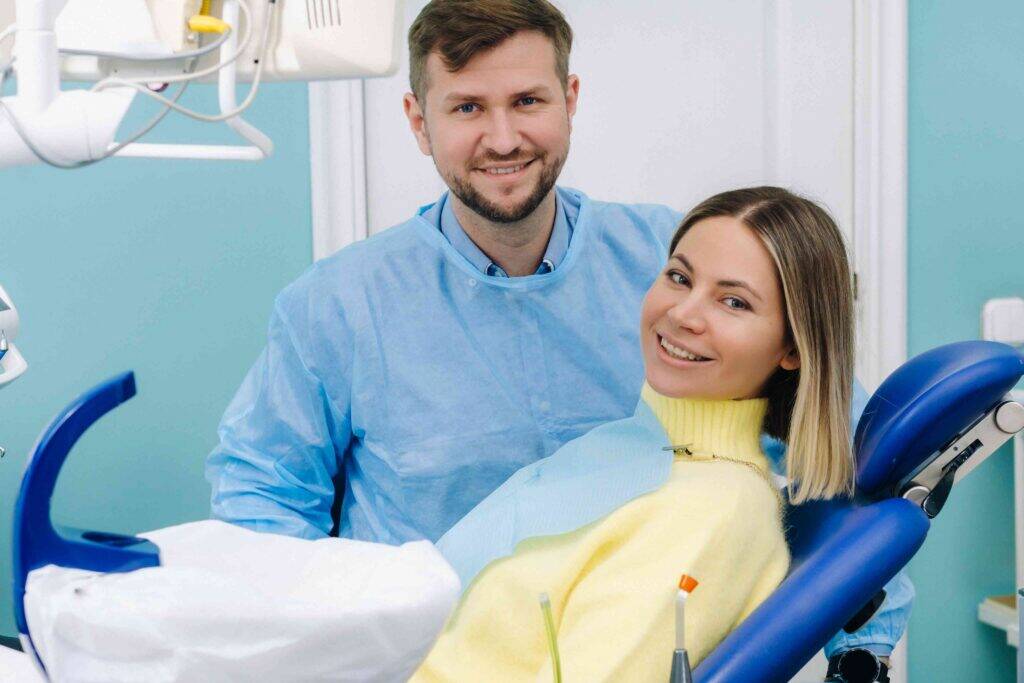
A dentist in Pewaukee, WI can help patients manage preventive oral health through dental exams, cleanings, gum checks, cavity screening, dry mouth review, bite monitoring, and home care guidance. Preventive visits may identify early changes around teeth, gums, enamel, and existing dental work before symptoms become harder to manage. Pewaukee patients can use routine appointments to understand personal risk areas, ask focused questions, and decide whether monitoring, treatment, or daily care changes are needed.
Preventive dental care should be based on what is happening in the mouth now. One patient may have healthy-looking teeth but signs of clenching. Another may brush every day yet still build tartar around the gumline. Someone else may notice dry mouth, sensitivity, or food catching near an older filling.
Patients searching for a dentist in Pewaukee, WI often want dental visits that feel clear and useful. A preventive appointment may include cleaning, exam, gum measurements, cavity screening, bite review, oral tissue check, and X-rays when needed.
For Pewaukee patients, prevention can make dental care easier to understand. The visit should explain what looks stable, what needs watching, and what small habits may better protect the teeth and gums.
Prevention Starts with Personal Risk
Dental problems do not start the same way for everyone. Saliva flow, tooth spacing, brushing technique, diet, medications, gum health, and older dental work can all affect risk.
A patient with crowded teeth may need extra help cleaning tight spaces. A patient with dry mouth may need guidance for enamel protection. A patient with crowns or bridges may need different cleaning tools.
A dentist near Pewaukee can use routine visits to identify these patterns. This makes prevention more specific than general advice.
What Dentist Pewaukee WI Visits May Include
A dentist at Pewaukee, WI appointment may begin with questions about symptoms, health changes, medications, and home care routines. Patients should mention sensitivity, gum bleeding, dry mouth, jaw soreness, food trapping, rough fillings, loose crowns, or chewing changes.
The dentist may examine the teeth, gums, bite, jaw movement, oral tissues, and existing restorations. X-rays may be recommended when hidden areas need to be reviewed, such as between teeth, under older fillings, or around roots.
After the visit, patients should understand the findings. Some may need routine prevention only. Others may need gum care, filling, crown evaluation, bite monitoring, or another recommendation based on diagnosis.
Dental Cleanings Do More Than Polish Teeth
Cleaning removes plaque and tartar from areas that are hard to reach at home. Plaque is soft at first, but it can harden when it remains on the teeth.
Tartar cannot be removed with a regular toothbrush. It often forms near the gumline and may contribute to bleeding, tenderness, swelling, or bad breath.
A teeth cleaning Pewaukee visit can also show where buildup returns most often. Knowing those areas can help patients change brushing angles, flossing methods, or home care tools.
Gum Health Should Be Tracked Over Time
Gums can show early signs of oral health changes. Bleeding, puffiness, recession, tenderness, or deeper gum pockets may suggest inflammation or gum disease risk.
Gum measurements help track support around each tooth. These numbers can be compared over time to see whether the gums are stable or changing.
Pewaukee patients should ask which areas are bled or measured deeper. Specific information makes daily care more focused.
Dry Mouth Can Affect Enamel
A dry mouth is more than an uncomfortable feeling. Saliva helps rinse food away, balance acids, and protects enamel from daily wear.
Medications, dehydration, mouth breathing, stress, health conditions, or aging may contribute to dry mouth. Patients may notice sticky saliva, frequent thirst, bad breath, or increased sensitivity.
During a routine dental visit to Pewaukee, a dry mouth should be mentioned. The dentist can look for enamel risk, gum irritation, and plaque patterns that may need extra attention.
Sensitivity Needs More Than a Guess
Tooth sensitivity can come from gum recession, enamel wear, decay, cracks, clenching, whitening products, or a filling that needs review. The trigger often gives useful clues.
A quick cold sensation may suggest one concern, while pain that lingers or happens during chewing may need a different evaluation.
Patients should explain where sensitivity happens, what causes it, and how long it lasts. This helps the dentist decide whether testing, monitoring, X-rays, or treatment may be needed.
Tooth Wear Can Build Slowly
Tooth wear may happen gradually from clenching, grinding, acid exposure, missing teeth, or uneven bite pressure. It can flatten enamel, chip edges, or make teeth feel sensitive.
Some patients notice jaw tightness, morning soreness, or teeth that feel tired. Others may not notice wearing until it is seen during an exam.
A bite review can help identify teeth under extra force. Depending on the findings, the dentist may recommend monitoring, repair, or protective options when appropriate.
Existing Dental Work Needs Routine Review
Fillings, crowns, bridges, and bonding can change over time. A filling may roughen, a crown edge may collect plaque, or a bridge may become harder to clean around.
Patients should mention floss that catches, food that packs into one area, sharp edges, or a restoration that feels high when biting. These details help guide the exam.
Routine visits give the dentist a chance to check whether older dental work still fits, seals, and functions well. Early review may help patients plan care before sudden discomfort.
Home Care Should Fit the Patient
Preventive dentistry depends on what happens between visits. Brushing twice daily with fluoride toothpaste and cleaning between teeth are strong basics, but the right tools may vary.
Some patients may use floss easily. Others may need interdental brushes, floss threaders, or a water flosser because of spacing, bridges, implants, or gum changes.
Pewaukee patients should ask which areas need the most help. Targeted advice is easier to follow than a broad reminder.
What Patients May Value from Preventive Visits
Preventive dental visits can help patients understand oral health before concerns become more complex.
Patients may value:
- Professional plaque and tartar removal
- Gum health tracking
- Cavity screening
- Dry mouth review
- Sensitivity checks when needed
- Bite and tooth wear monitoring
- Existing restoration review
- Personal home care guidance
- These benefits depend on regular dental visits, daily habits, and each patient’s risk level.
What to Expect Before During and After
Before the appointment, patients should think about changes since the last visit. Dry mouth, bleeding gums, sensitivity, jaw soreness, food trapping, or rough dental work should be shared.
During the visit, the dental team may complete a cleaning, exam, gum check, oral tissue review, bite assessment, and X-rays when needed. Findings should be explained in a clear language.
After the appointment, patients should know whether they need monitoring, home care changes, treatment, or timing for the next preventive visit.
Local Patient Review
“I came in thinking everything was routine, but the exam showed why one area kept collecting plaques. The home care advice was specific and easy to use.”
A More Focused Path to Prevention
Preventive dental care helps Pewaukee patients understand risk areas before symptoms become harder to manage. Cleanings, gum checks, dry mouth review, sensitivity evaluation, and bite monitoring can support steadier oral health. With Cloud 9 Dentistry, patients can receive practical prevention based on current findings, personal habits, and long-term care needs.
Frequently Asked Questions
Why does tartar keep forming behind my lower teeth?
That area often gets more mineral flow from saliva and can collect plaques quickly. A cleaning removes tartar and shows where brushing may need adjustment.
Can dry mouths make my teeth more sensitive?
Yes, dry mouth can leave enamel less protected and may make teeth feel more reactive. The dentist can check for related risk areas.
What if my gums bleed only when I floss?
Bleeding may be linked to plaque, tartar, gum inflammation, or technique. It should be reviewed if it keeps happening.
Can a dentist Pewaukee, WI check old fillings for leaks?
Yes, fillings can be checked for rough edges, gaps, cracks, decay, and bite pressure during an exam.
Why do my teeth feel sore in the morning?
Morning soreness may be related to clenching, grinding, or bite stress. The dentist can look for wear marks and jaw signs.
Is sensitivity after whitening normal?
Some patients may have temporary sensitivity, but strong or lasting discomfort should be checked. Other causes may be involved.
How can I tell if I need gum care beyond cleaning?
Gum measurements, bleeding, tartar depth, and inflammation help guide that decision. The dentist can explain what your gums need.
What home care tools help around crowns?
Depending on the crown location, floss, threaders, small brushes, or a water flosser may help. Ask which tool fits the space best.
