
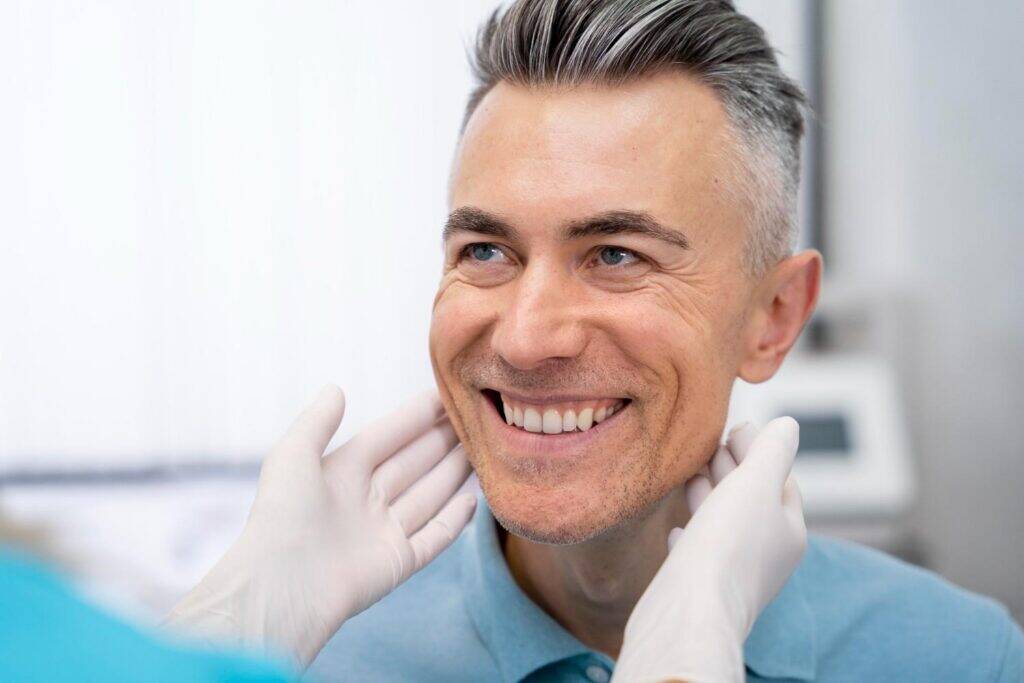
Dentures Hartland patients consider may help replace several missing teeth or a full arch of missing teeth with a removable appliance. Dentures can support chewing, speech, facial shape, and appearance, but fit and comfort depend on gums, bone support, bite, saliva, and daily care. In Hartland, patients may compare dentures with dental implants or bridges depending on how many teeth are missing. A dentist should evaluate oral health, remaining teeth, gum tissue, and long-term needs before recommending a denture plan.
Losing several teeth can change more than a smile. Meals may become harder, speech may feel different, and the face may look less supported. Some patients avoid certain foods or feel unsure about speaking in public. For patients searching dentures in Hartland, WI the main question is often whether a removable tooth replacement can help them eat, speak, and smile more comfortably.
When missing teeth affect daily life in Hartland, Cloud 9 Dentistry can help patients compare denture options with other ways to replace teeth. Dentures are not one single treatment. They can be full or partial, temporary or long-term, traditional or implant-supported depending on the mouth. Before choosing dentures from Hartland, a dentist should evaluate the gums, remaining teeth, jawbone, bite, and patient goals.
What Dentures Are
Dentures are removable appliances that replace missing teeth. A full denture replaces all teeth in an upper or lower arch. A partial denture replaces some missing teeth while other natural teeth remain.
Dentures are shaped to rest on the gums and, in some cases, use remaining teeth or implants for support. Their design depends on how many teeth are missing and what structures are healthy enough to help hold them in place.
A denture is not the same as a fixed bridge or implant crown. It is removed for cleaning and should be handled carefully each day.
Why Replacing Several Missing Teeth Matters
When several teeth are missing, chewing can become uneven. Patients may rely on the same side of the mouth or avoid firmer foods. This can affect nutrition, comfort, and confidence.
Missing teeth may also affect speech. Certain sounds depend on how the tongue contacts the teeth. Tooth loss can change those patterns.
Facial support can change as well. Teeth and jawbone help support the lips and cheeks. Dentures may help restore some of that support, depending on the case.
Full Dentures and Partial Dentures
A full denture is used when all teeth in an arch are missing or need replacement. It rests on the gums and is designed to replace the full set of upper or lower teeth.
A partial denture is used when some natural teeth remain. It fills missing spaces and may use clasps or other design features for stability.
The dentist must check the remaining teeth before recommending a partial denture. If some teeth are weak, loose, decayed, or affected by gum disease, the plan may need to address those concerns first.
How Dentures Compare With Dental Bridges
Patients comparing dentures with dental bridges Hartland, WI may be deciding between removable and fixed tooth replacement. A bridge is usually fixed in place and may be supported by nearby teeth or implants.
A bridge may be considered when one or a few teeth are missing and the supporting teeth are healthy enough. Dentures may be considered when several teeth are missing or when a removable option is better for the situation.
Both options require cleaning and monitoring. A dentist can explain which choice may fit based on the number of missing teeth, gum health, bone support, and patient preference.
How Dentures Compare With Dental Implants
Patients also compare dentures with dental implants Hartland, WI treatment. Implants are placed in the jawbone and can support crowns, bridges, or some denture designs.
Traditional dentures rest on the gums. Implant-supported dentures may have added stability because they connect to implants. Not every patient is a candidate for implants, and evaluation is needed.
The right choice depends on bone support, medical history, gum health, budget questions, maintenance needs, and the patient’s ability to clean the appliance and mouth.
Why Denture Fit Can Change Over Time
A denture that fits well at first may feel different later. The gums and bone can change after tooth loss. As the jawbone shrinks, the denture may loosen or rub.
Weight changes, dry mouth, gum irritation, and normal wear can also affect fit. A denture that moves, causes sore spots, or makes chewing difficult should be checked.
Patients should not try to adjust dentures at home. A dental office can evaluate whether an adjustment, reline, repair, or replacement is needed.
Daily Care for Dentures
Dentures need daily cleaning. Food and plaque can collect on the appliance and on the gums. Dentures should be cleaned as directed and handled over a towel or sink of water to reduce damage if dropped.
The gums and tongue should also be cleaned. If natural teeth remain, they still need brushing, flossing, and regular dental exams.
Dentures should be removed as recommended to give the tissues a rest. Wearing them constantly without proper cleaning can irritate the mouth.
Common Denture Concerns
New dentures can take time to get used to. Speaking and eating may feel different at first. Soft foods and slow chewing may help during the adjustment period.
Sore spots should be reported. Some adjustment visits may be needed as the mouth adapts. Patients should not assume pain is normal for weeks.
Dry mouth can make dentures feel less stable or more irritating. Medications and health conditions may contribute to dryness, so patients should mention this during the visit.
Possible Benefits of Dentures
For suitable patients, dentures may restore missing tooth areas and make daily function easier. They can also support appearance and speech.
Possible benefits may include:
- Replacement of several missing teeth
- Improved chewing support
- Support for lips and cheeks
- A removable option for daily cleaning
- Partial denture support when some teeth remain
- Possible comparison with implant-supported options
- Improved confidence in social settings
- These benefits depend on fit, gum health, bone support, patient adaptation, and regular dental follow-up.
What to Expect at a Denture Consultation
Before recommending dentures, the dentist will examine the mouth, gums, remaining teeth, bite, jawbone, and existing dental work. X-rays may be recommended to check roots and bone.
The dentist may discuss full dentures, partial dentures, implant-supported options, bridges, or other tooth replacement choices. If teeth need removal, healing time and temporary options may be reviewed.
After a denture is made, adjustment visits may be needed. You should receive instructions for cleaning, wearing, storing, and monitoring the appliance. Regular visits help check tissue health and denture fit.
Local Patient Review
“I did not know there were different denture options. The visit helped me understand full, partial, and implant-supported choices before deciding what made sense.”
A Removable Option That Needs Careful Planning
Dentures can help restore missing teeth, but comfort and function depend on thoughtful design, healthy tissues, and regular follow-up. For Hartland patients comparing dentures, bridges, and implants, Cloud 9 Dentistry can explain which tooth replacement option may best support daily life and long-term oral health.
Frequently Asked Questions
What are dentures used for?
Dentures replace missing teeth with a removable appliance. They may replace all teeth in an arch or only some missing teeth.
What is the difference between full and partial dentures?
Full dentures replace all teeth in an upper or lower arch. Partial dentures replace some missing teeth while natural teeth remain.
Are dentures the same as dental bridges?
No. Dentures are removable, while bridges are usually fixed. The better option depends on how many teeth are missing and oral health.
Can dentures be supported by implants?
In some cases, yes. Implant-supported dentures may provide added stability, but patients need enough bone and healthy tissues for implant planning.
Will dentures feel natural right away?
New dentures often take time to adjust to. Eating and speaking may feel different at first, and follow-up adjustments may be needed.
Why do dentures become loose?
Gums and bones can change after tooth loss. These changes may affect fitness and may require an adjustment, reline, or replacement.
How do I clean dentures?
Clean dentures daily as directed, brush remaining teeth and gums, and remove the appliance as recommended. Regular dental visits remain important.
Can I sleep with dentures in?
Your dentist will explain what is best for your mouth. Many patients are advised to remove dentures at night so tissues can rest.
