
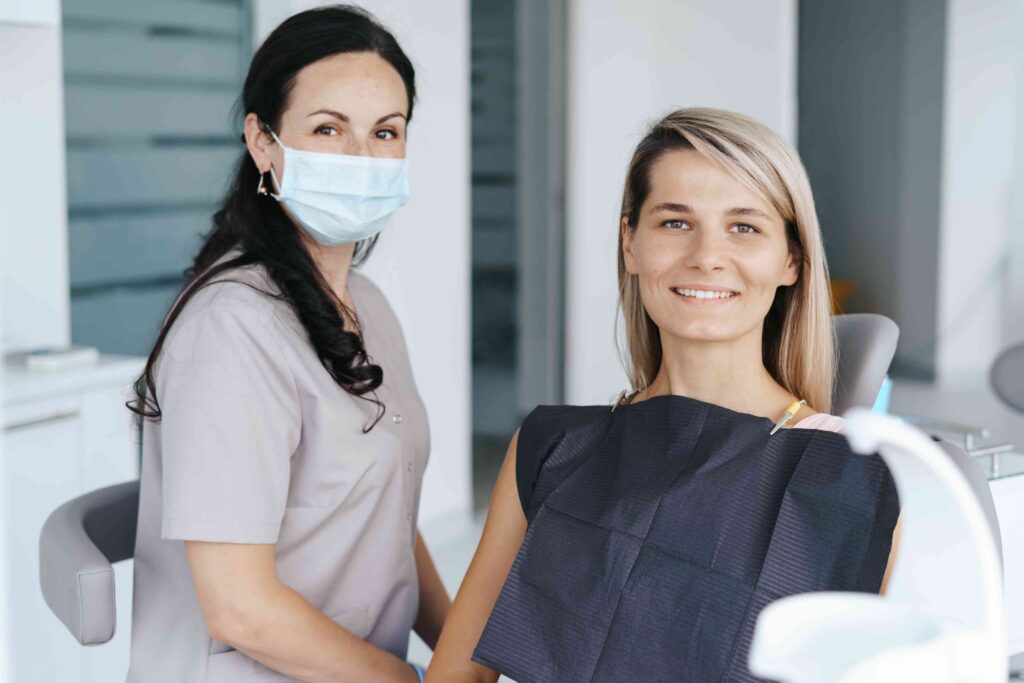
Dentures Delafield, WI may help replace several missing teeth or a full arch of teeth when a removable option is suitable. Dentures can support chewing, speech, facial support, and smile appearance, but they require proper fit, daily cleaning, and regular dental monitoring. Delafield patients should have gums, bone, remaining teeth, bite, comfort, and replacement options reviewed before choosing a partial denture, full denture, or implant-supported option.
Missing teeth can affect daily life in several ways. Chewing may feel limited. Speech may change. Food may be collected near open spaces. Some patients also notice changes in facial support or feel less comfortable smiling.
Patients asking about dentures in Delafield, WI often want to know whether a removable tooth replacement can help them eat and speak with more confidence. Dentures may be one option, but the best plan depends on gum health, bone shape, remaining teeth, bite pressure, and daily cleaning ability. For patients in Delafield and Pewaukee, tooth replacement should be planned around comfort, function, and long-term maintenance.
What Dentures Are Designed to Do
Dentures are removable appliances that replace missing teeth. A partial denture replaces some missing teeth when natural teeth remain. A full denture replaces a full upper or lower arch.
Dentures may help restore smile appearance, support speech, and improve chewing compared with having no teeth in those spaces. They are custom made to fit the mouth, but they are not the same as natural teeth.
A good denture plan should include fit, comfort, bite, cleaning, and follow-up care.
Why Missing Teeth Should Be Replaced
When teeth are missing, the mouth may change over time. Remaining teeth can shift. The bite may become uneven. Chewing may move mostly to one side.
Open spaces can also trap food and make cleaning harder. For some patients, missing teeth affect confidence during meals or conversations.
Replacing missing teeth may help support daily function. The right option depends on how many teeth are missing, where they are located, and what support remains.
A Dental Exam Comes First
Before choosing a removable appliance, the dentist should examine the mouth. Gums, bone shape, remaining teeth, cavities, old restorations, and bite pressure all matter.
A dentist in Delafield, WI may use X-rays and an exam to decide whether remaining teeth are healthy enough to support a partial denture. If full dentures are being considered, the gums and bone still need careful review.
A denture should not be planned only around the missing teeth. It should fit the whole mouth.
Partial Dentures and Full Dentures Are Different
A partial denture replaces one or more missing teeth while using remaining teeth and gums for support. It may have clasps or other parts that help it stay in place.
A full denture replaces all teeth in an upper or lower arch. It rests on the gums and bone ridge. Fit may change over time as the mouth changes.
The dentist should explain which type may be suitable and what daily use may feel like.
Fit and Comfort Matter
Dentures should feel stable enough for daily use, but adjustment often takes time. New dentures can feel bulky at first. Speech and chewing may need practice.
Sore spots can happen and should be checked. Patients should not try to adjust dentures at home because this may damage the appliance or irritate the gums.
Follow-up visits help the dentist check fit, pressure areas, bite, and comfort.
Gums and Bone Change Over Time
After teeth are lost, bone and gum shape can change. This may affect how dentures fit.
A denture that once felt comfortable may later feel loose, uneven, or irritating. Relines, adjustments, or replacement may be needed over time.
Routine dental visits remain important even if a patient has no natural teeth. The dentist can check oral tissues, denture fit, and signs of irritation.
Cleaning Dentures Is Daily Care
Dentures need daily cleaning to remove food, plaque, and odor-causing buildup. They should be handled carefully because they can break if dropped.
The gums, tongue, and any remaining teeth also need cleaning. A clean mouth helps reduce irritation and supports better denture comfort.
Patients should follow the dentist’s instructions for wearing, removing, soaking, and storing the appliance.
How Implants May Compare
Some patients ask whether implants can support replacement teeth. Dental implants Pewaukee, WI may be discussed when a patient wants to compare removable dentures with implant-supported options.
Implants require enough bone, healthy gums, medical review, surgery, healing, and maintenance. Some implant options may help stabilize a denture for suitable patients.
Implants are not right for everyone. The dentist should explain whether they may be considered or whether a conventional denture is more appropriate.
When Dentures Are Part of a Bigger Plan
For some patients, dentures are planned after several teeth are removed. For others, they replace teeth that have already been missing for years.
Treatment may involve extractions, healing, impressions, try-in appointments, adjustments, and follow-up care. The exact order depends on the patient’s mouth.
At Cloud 9 Dentistry, patients may receive guidance on how dentures fit into a broader tooth replacement plan, including comfort, function, and maintenance.
What to Expect During a Denture Consultation
Before the appointment, patients should share what bothers them the most. Is it chewing, speech, missing front teeth, loose dentures, sore gums, or appearance?
During the visit, the dentist may examine gums, remaining teeth, bite, bone shape, and current dental appliances. X-rays may be recommended when natural teeth remain or when treatment planning requires them.
After the evaluation, patients should understand whether dentures Delafield, WI may fit their needs or whether another replacement option should be compared.
Adjusting to Eating and Speaking
Eating with dentures may take practice. Patients may need to start with softer foods and chew evenly on both sides.
Speaking may also feel different at first. Reading aloud at home can help some patients adjust to new tooth position and tongue movement.
If the denture clicks, slips, causes sores, or feels uneven, the dentist should check it. Adjustments are part of making the appliance more comfortable.
Benefits of Denture Planning
For suitable patients, dentures may help restore some daily function and smile appearance after tooth loss.
Patients may benefit from:
- Replacement of several missing teeth
- Support for chewing
- Help with speech clarity
- Improved smile fullness
- Removable cleaning access
- A non-surgical option in many cases
- Adjustable fit over time
- Comparison with implant-supported choices
These benefits depend on gum health, fitness, bite, cleaning habits, and regular follow-up care.
Local Patient Review
“I had missing teeth and wanted to understand my options. The dentist explained how fit, gums, and daily cleaning would affect comfort.”
Comfort Starts with the Right Fit and Follow-Up
Tooth replacement should support chewing, speech, comfort, cleaning, and long-term oral health. Patients in Delafield and Pewaukee can visit Cloud 9 Dentistry to discuss removable replacement options and learn what may be suitable after a complete dental evaluation.
Frequently Asked Questions
Who may be suitable for this type of appliance?
A suitable patient may be missing several teeth or a full arch and have gums and remaining teeth that can support the planned design.
Will eating feel normal right away?
It may take practice. Softer foods and chewing on both sides can help during the adjustment period.
Can sore spots happen?
Yes. Sore areas should be checked by the dentist. Patients should not try to reshape the appliance at home.
Do removable teeth need daily cleaning?
Yes. They should be cleaned daily, and the gums, tongue, and remaining teeth should also be cleaned.
Can the fit change over time?
Yes. Gums and bones can change after tooth loss, which may affect fitness. Adjustments or relines may be needed.
Are fixed options available for some patients?
Sometimes. Suitability depends on bone, gums, medical history, bite, and patient goals.
Do I still need dental visits if I have no natural teeth?
Yes. Oral tissues, appliance fit, bite, and irritation should still be checked.
Can missing teeth affect speech?
Yes. Tooth loss and new appliances can affect speech. Practice and proper fit may help.